By Angela and Damian Ross
In 2013, our lives changed in a way we never expected.
An act of violence occurred at the Garden State Plaza mall in Paramus, New Jersey — a place we had visited countless times with our children. Like so many families, it was part of our normal routine. Shopping. Errands. Ordinary life.
That event forced us to confront something difficult:
Emergencies don’t happen in “dangerous places.”
They happen where people live their lives.
When “Unthinkable” Becomes Personal
At the time, Damian had years of experience as a firefighter and first responder. He understood emergencies professionally.
But this was different.
This wasn’t a call he responded to.
This was a place our family knew.
A place that felt safe.
It raised questions we couldn’t ignore — not as professionals, but as parents.
How do you prepare responsibly without living in fear?
How do you protect the people you love without changing who you are?
A Second Wake-Up Call
A few years later, those questions became even more personal.

Our niece was a freshman in college during the tragic events at Marjory Stoneman Douglas High School in Parkland, Florida.
Once again, it wasn’t abstract.
It wasn’t distant.
It was close to home.
Two different moments.
Two different places.
One shared reality:
Normal life can change instantly.
Why We Didn’t Choose the “Tactical” Route
After those experiences, we knew we wanted to do something — but we were equally clear about what we didn’t want.
We didn’t want:
Angela was especially firm on this point.
“If it doesn’t fit into real life,” she said, “people won’t use it.”
And she was right.
Preparedness that isn’t carried every day isn’t preparedness at all.
The Idea That Changed Everything
Instead of asking “How do we make stronger protection?”
We asked a different question:
“How do we make protection people will actually carry?”
That shift changed everything.
What if preparedness could:
Not as a reaction to fear — but as a quiet layer of responsibility.
Creating Bodyguard Concealed Armor Systems
That idea became Bodyguard.
Not as a reaction to one incident.
Not as a political statement.
And not as a tactical product.
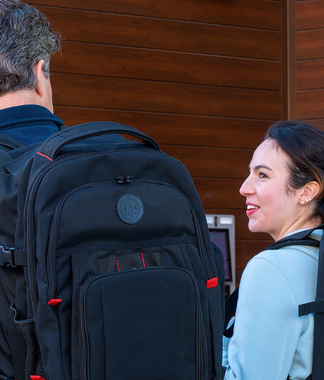
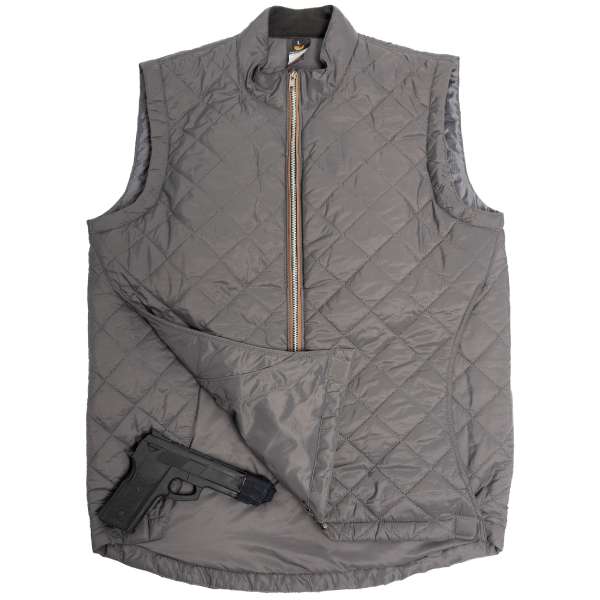
But as something practical, discreet, and realistic.
Bodyguard was designed for:
It’s meant to fit into life as it already exists — not demand that life change around it.
Preparedness Without Paranoia
We don’t believe in living afraid.
We believe in being thoughtful.
In being responsible.
In understanding that preparedness doesn’t have to be loud to be effective.
The goal was never to create something that constantly reminds you of worst-case scenarios.
The goal was to create something you forget you’re even wearing — because it already fits your day.
If You’re Considering Discreet Everyday Protection
If you’ve been thinking about preparedness but haven’t found an option that feels right for real life, we invite you to learn more about what we built — and why.
You can explore the Bodyguard system and see how discreet everyday protection works here:
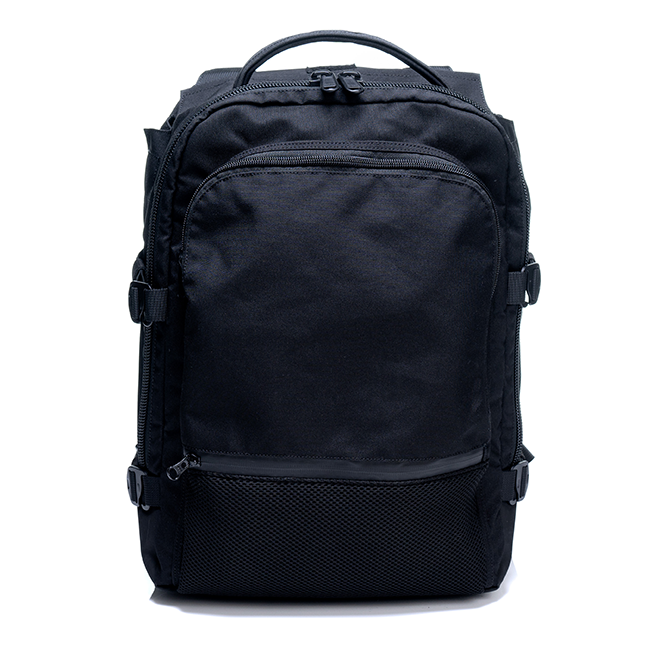
 Handgun and Rifle Protection
 25 L
25 L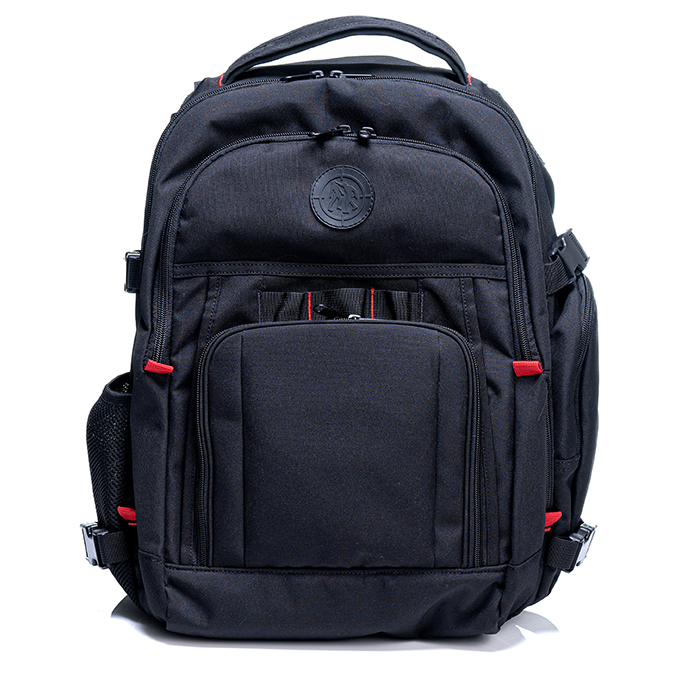
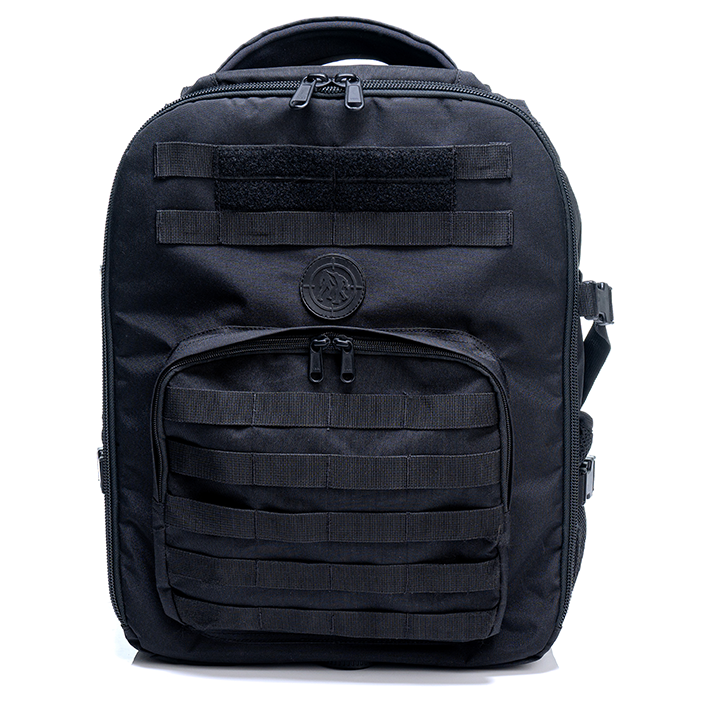
 5 LBS
5 LBS

 Products that made people feel on edge