By Damian Ross

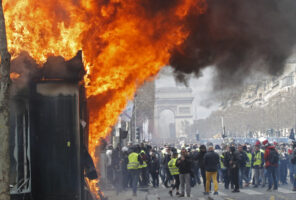
For most people, emergencies are something they see on the news.
For me, they were part of the job.
I spent years as a firefighter and first responder. I’ve been called to situations that began as completely normal days—people going to work, shopping, commuting—until suddenly they weren’t.
That experience changes how you think about “being prepared.”
Not in a paranoid way.
In a practical one.
Because the biggest lesson I learned isn’t about panic or danger.
It’s about reality.
The Hard Truth About Personal Safety Gear
Over the years, I’ve noticed a pattern.
People care about safety.
They buy products meant to help them feel prepared.
But most of those products never leave the closet.
Why?
Because they’re uncomfortable.
They’re obvious.
They don’t fit real life.
If something is bulky, awkward, or draws attention, people stop carrying it. And if it isn’t with you, it doesn’t matter how well it works on paper.
Preparedness that stays at home isn’t preparedness at all.
Prepared Doesn’t Have to Mean Paranoid
There’s a misconception that taking personal safety seriously means changing who you are or how you live.
Wearing tactical gear.
Looking “on edge.”
Standing out.
In the real world, that’s not how emergencies happen—and it’s not how professionals think.
Real preparedness blends in.
It doesn’t announce itself.
It doesn’t change your routine.
The best safety solutions are the ones no one notices.
Why “Normal” Matters More Than You Think
In my work, I saw how quickly environments change—but also how important it is to look like you belong where you are.
Offices. Airports. Schools. Subways. Restaurants.
The moment you draw attention to yourself, you change the situation.
That’s why obvious safety gear often creates new problems instead of solving them.
I started asking a simple question:
What if protection could be part of your everyday life—without looking like protection at all?
Rethinking Everyday Carry
That question led me down a different path.
Instead of designing something tactical, I focused on designing something normal.
Something you’d actually use every day.
Something that fits in professional environments.
Something that doesn’t make you look or feel different.
That’s how Bodyguard Concealed Armor Systems came to life.
Not as a product meant to scare people—but as one meant to quietly support them.
What Makes Bodyguard Different
Bodyguard systems are designed to look like what they are on the outside:
-
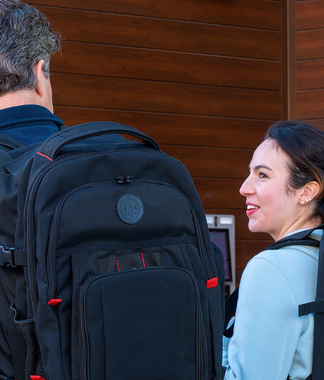
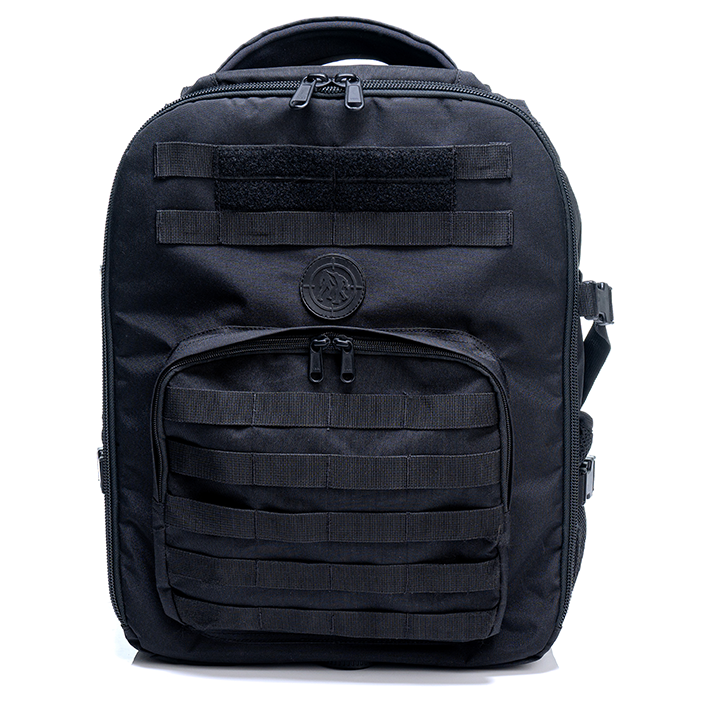
A professional backpack
-
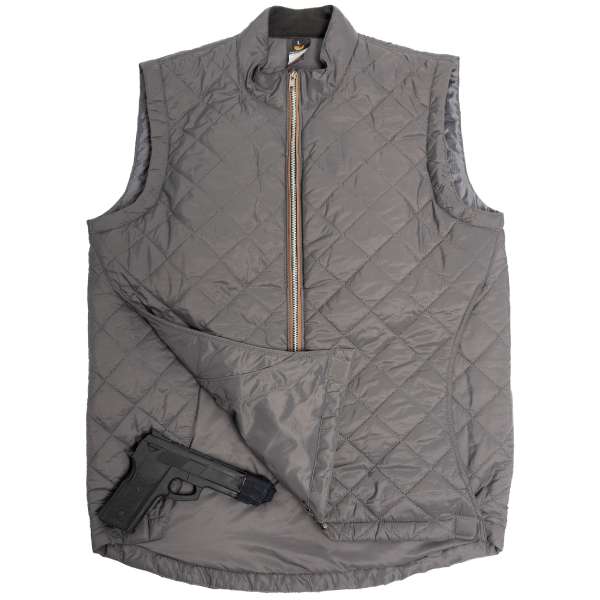
A clean jacket
-
Everyday outerwear
Nothing about them screams “safety gear.”
Inside, though, they’re built with discreet protection in mind—integrated in a way that doesn’t affect comfort, appearance, or movement.
No bulk.
No tactical aesthetic.
No lifestyle change required.
You don’t put it on “just in case.”
You use it because it already fits your life.
Designed by Someone Who’s Seen the Other Side
I didn’t design Bodyguard as a marketing exercise.
I designed it because I’ve stood on the other side of emergencies—after the fact—wishing more people had realistic, wearable options.
This isn’t about fear.
It’s about respect for reality.
Most emergencies don’t come with warnings.
They don’t happen when you’re “ready.”
They happen in the middle of normal life.
That’s exactly where discreet preparation matters most.
Who This Is Really For
Bodyguard isn’t for everyone.
It’s for people who:
Parents.
Students.
Commuters.
Travelers.
Professionals.
People who understand that the best safety solution is the one you’ll actually use.
See How Discreet Protection Works
If you’re curious what everyday protection can look like when it’s designed for real life—not worst-case fantasies—you can learn more about the Bodyguard system here.
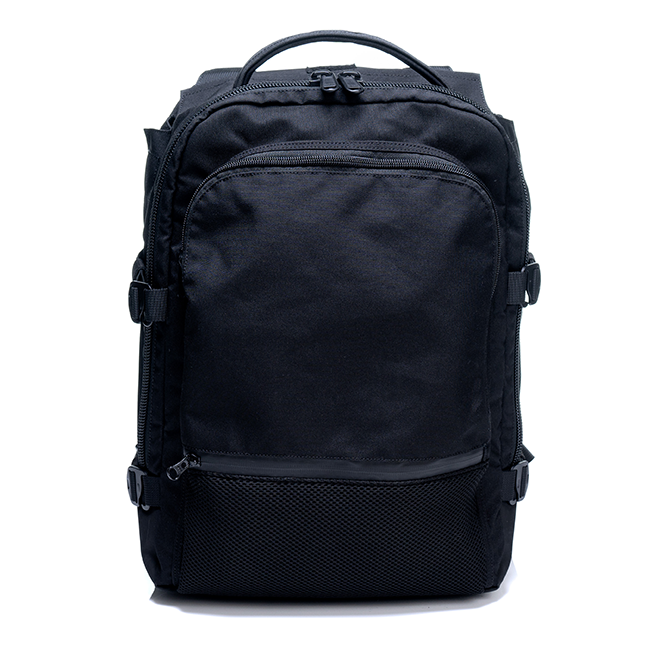
 Handgun and Rifle Protection
 25 L
25 L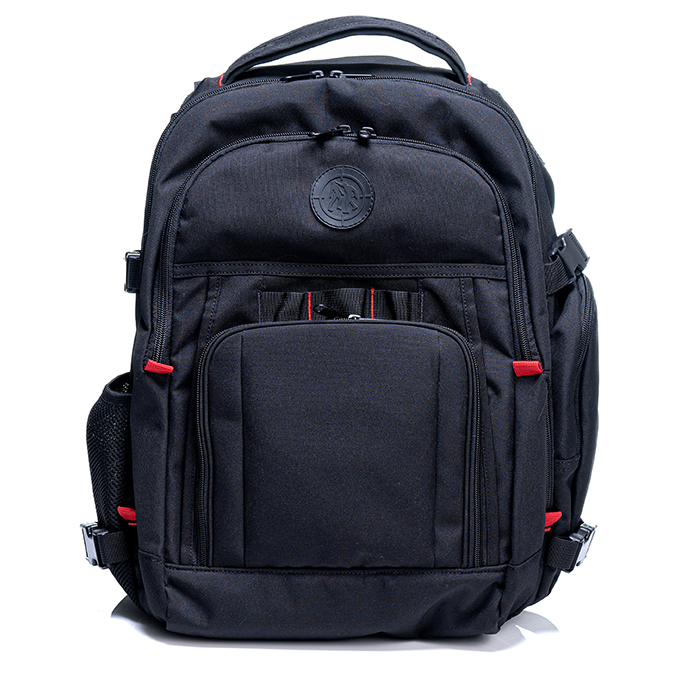
 5 LBS
5 LBS